Research Projects

Advanced Phenomics and Genomics for Enhanced Anthracnose Resistance in Ontario Dry Beans

Anthracnose, a significant fungal disease caused by Colletotrichum lindemuthianum, has recently impacted dry bean yield and performance across Ontario, jeopardizing the profits of growers and the dry bean industry. The current anthracnose outbreak, raising concerns about the emergence of a new race or reduced efficacy against race 73. This proposal aims to develop advanced phenomics and genomics markers linked to anthracnose resistance, enabling efficient screening of dry bean populations to accurately and quickly select high-yielding, anthracnose-resistant genotypes. Key objectives include determining whether a new race has emerged or if race 73 persists, using high-throughput technologies such as drone imaging for rapid screening in early growth stages, and developing molecular markers to enhance anthracnose resilience in dry beans. This research will boost dry bean production, fortify Ontario’s agri-food sector, and maintain the province’s leadership in dry bean cultivation, ultimately enhancing productivity and profitability for growers and industries.

Publication – Advancing anthracnose resistance in dry beans through the transition from traditional to computational breeding efforts


From Field to Can: Boosting Dry Bean Variety Development in Ontario with AI-Powered Canning Quality Analysis

The proposal addresses the critical issue of assessing canning-quality in dry beans, a crucial step for registering new varieties in Ontario. Traditionally, due to the absence of a canning research facility and analysing platforms within the province, samples had to be sent out of province, resulting in canning quality evaluations being conducted only at advanced stages on limited lines. This oversight often leads to the development of cultivars, which may have high yields but lack consistent quality. The project aims to establish a canning-quality assessment pipeline, enabling the annual evaluation of bean lines from the early breeding stages using artificial-intelligence (AI). By focusing on both yield and canning quality from the outset, this initiative aims to develop bean varieties that excel in both aspects. This initiative will significantly boost the Ontario-Agri-Food sector by optimizing dry bean breeding practices and reducing reliance on external facilities, ultimately better meeting market demands.

Publication – Advancing Canning Quality in Common Beans: An Integrated Farm-to-Can Framework Combining Breeding, Processing, and Artificial Intelligence


Development of the pest management strategies for the control of the
spider mite populations on soybean

Help us better understand spider mites in Ontario. Dr. Grbic’s lab at Western University is studying spider mite species and populations affecting soybean and dry bean fields across Ontario. Samples submitted by growers and agronomists help researchers identify mite species, track their distribution and better understand emerging populations and potential management challenges.

If you find a field with active spider mites, consider submitting a sample to the Grbic Lab for species identification. Follow the sampling and shipping instructions to ensure your samples arrive in good condition.

Found spider mites? Submit a sample and help support ongoing research.

View the Spider Mite Sampling & Shipping Protocol

Please contact the Grbic Lab before shipping your sample so they know to expect it. Contact information is provided in the sampling protocol.


PULSE SCIENCE CLUSTER

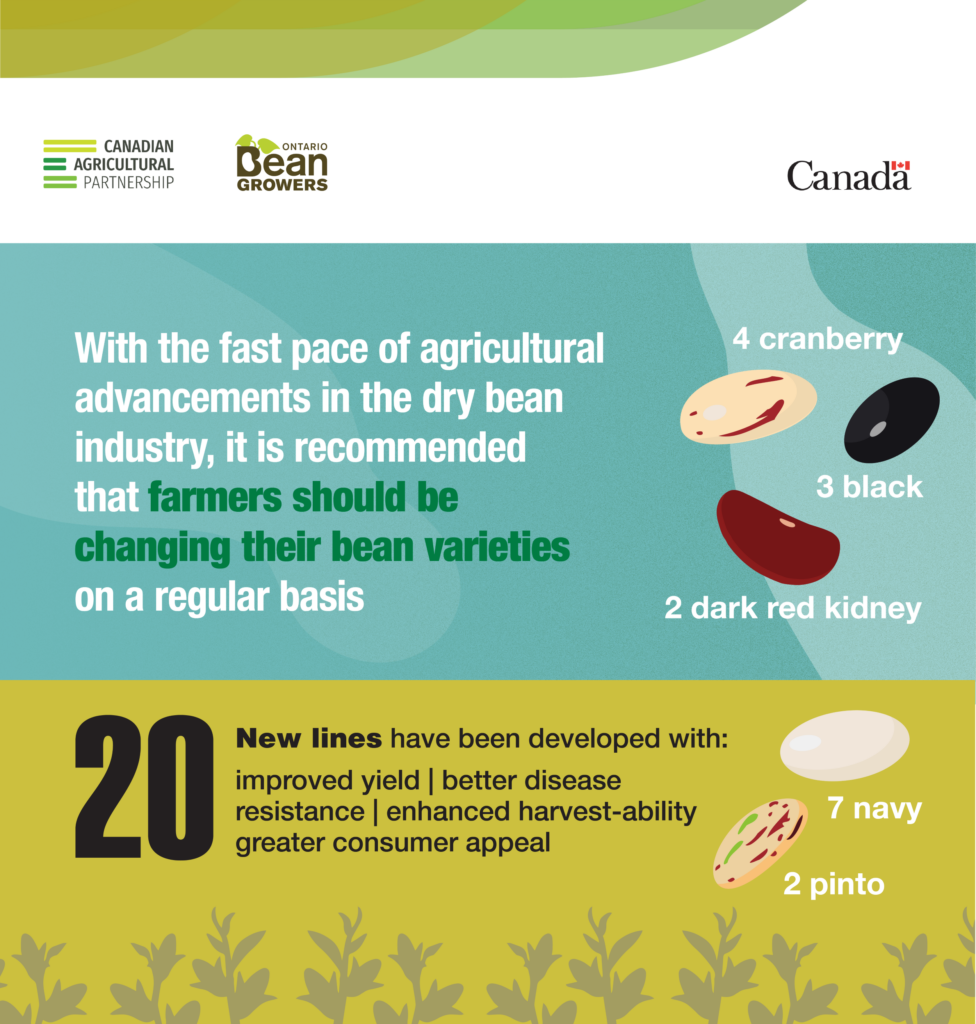
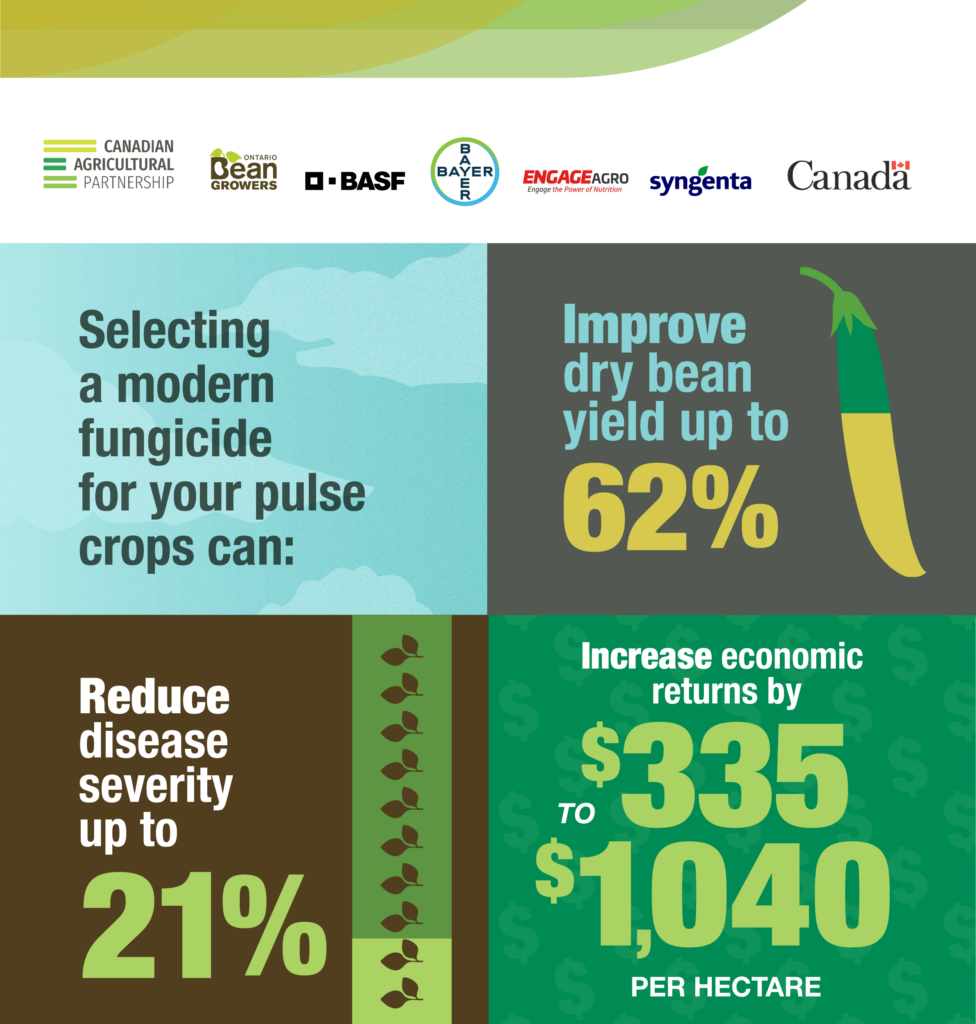
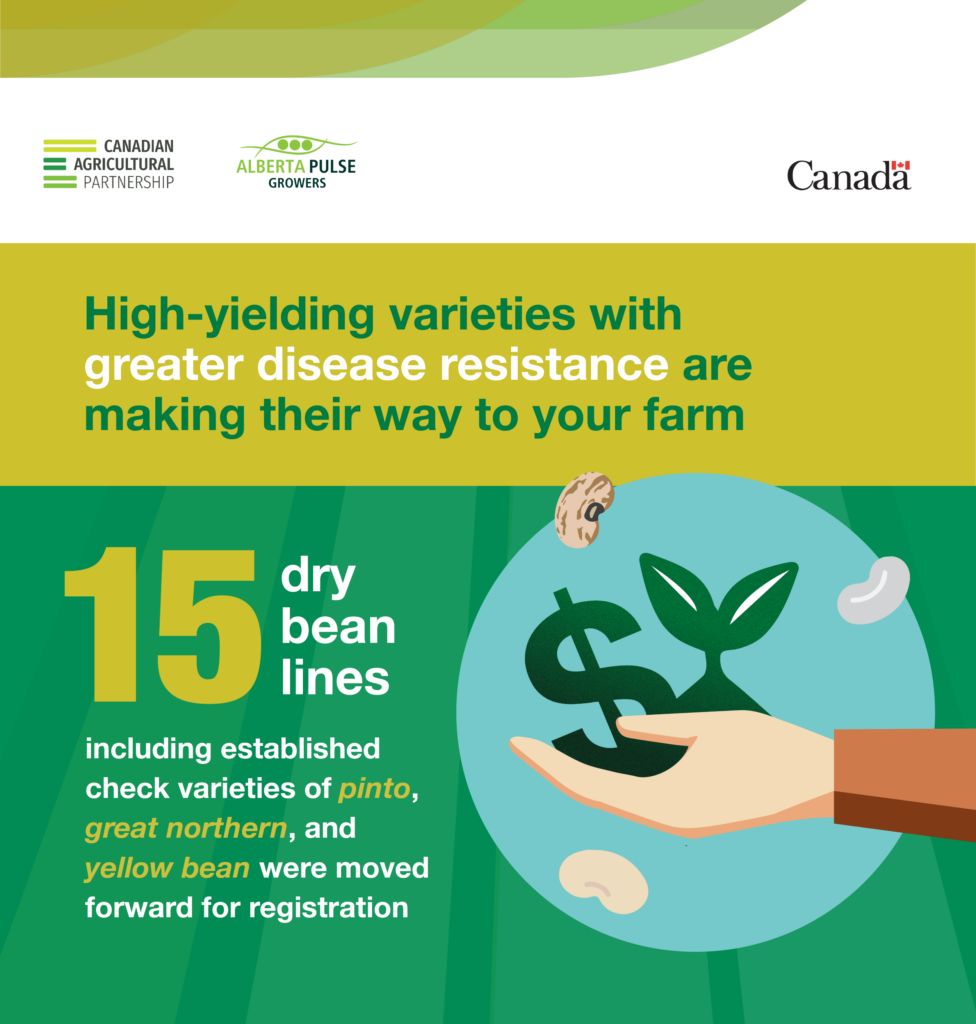
To strengthen Canada’s pulse industry, Agriculture and Agri-Food announced up to $11 million to Pulse Canada. This funding is provided through the AgriScience Program—Clusters Component, an initiative under the Sustainable Canadian Agriculture Partnership.
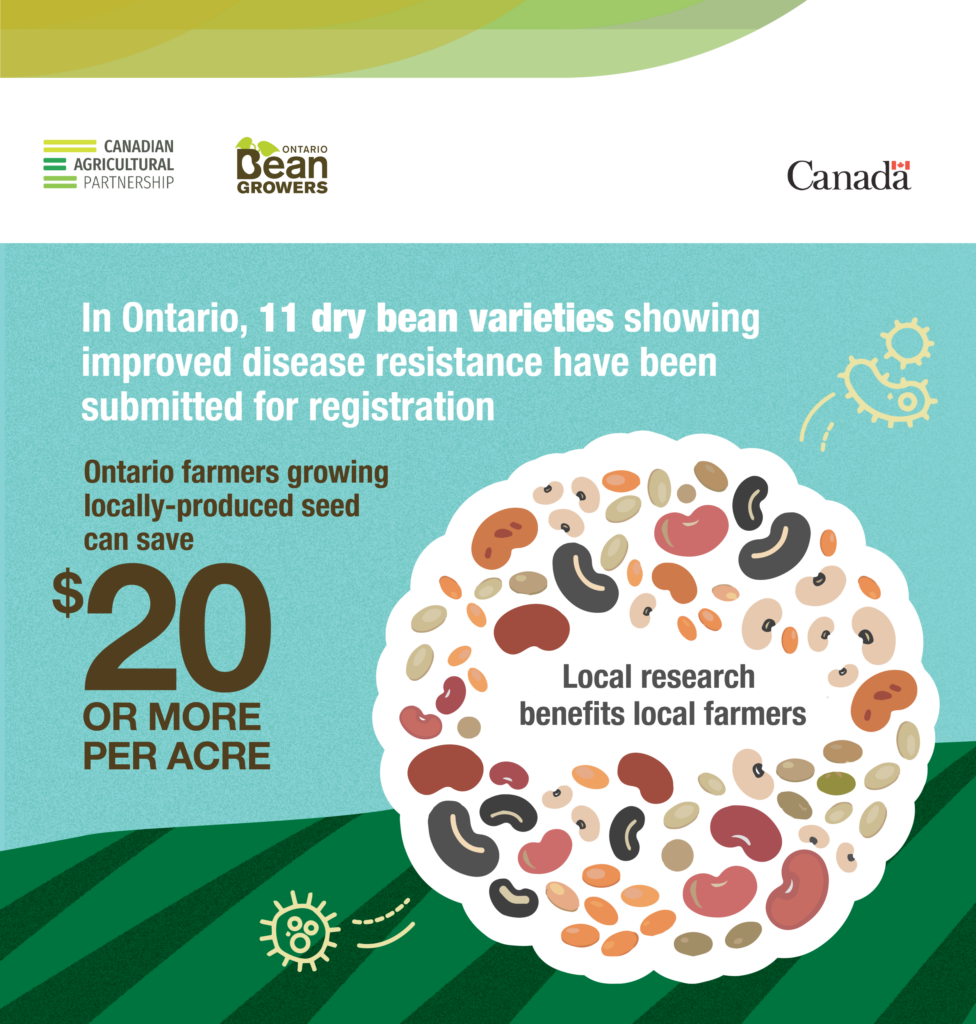
From 2024-2028 Ontario Bean Growers (OBG) is investing $1.029 million grower dollars into the Pulse Science Cluster, plus $94 thousand into an Organic Science Cluster project.

2023-2028 Cluster OBG Funded Projects

Towards a Better Understanding of Dry Bean Root Rot and Soybean Cyst Nematode Management

The AGGI Project: Accelerated Genetic Gain and Improvement
.

2025 Update Article

The Interaction of Climate Change With Pest Management and Fertility in Dry Beans

Article – 2025 Pulse Cluster Research – Pulse Breeding: Securing Canada’s Agricultural Future Through Research, Genetics, and Market-Driven Innovation
Article – 2025 Pulse Cluster Research – Protecting Canada’s Pulse Crops: Tackling Root Rot

Article – 2024 Pulse Cluster Research – Pulse Breeding and Genetics
Article – 2024 Pulse Cluster Research – Pulse Research, Root Rot and Agronomy Tools

2023-2028 Organic Cluster OBG Funded Project


Previous Cluster OBG Funded Projects
2018-2023 Cluster OBG Funded Projects

Breeding for Sustainable and
Profitable Dry Bean Production

Editorial

Technical Report

Dry Bean Disease Resistance
Screening and Variety Development

Editorial

Technical Report

Article

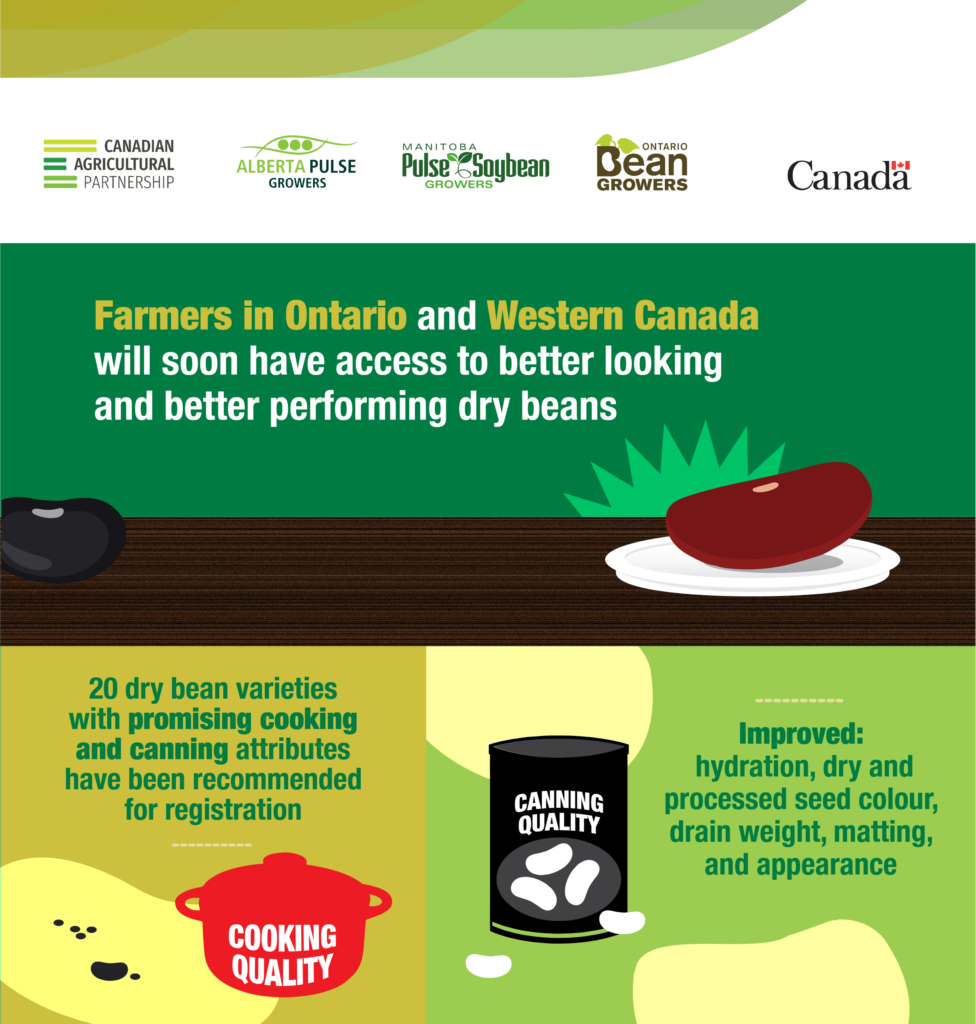
Dry Bean Varieties with Improved
Canning and Cooking Quality for
Ontario and Western Canada
Editorial

Technical Report

Applied Pest Management for
Ontario Dry Bean Production

Editorial

Technical Report

Investigating Cholesterol Lowering
Effects of Edible Bean

Editorial

Technical Report

Other Projects Included in 2018-2023 Pulse Science Cluster

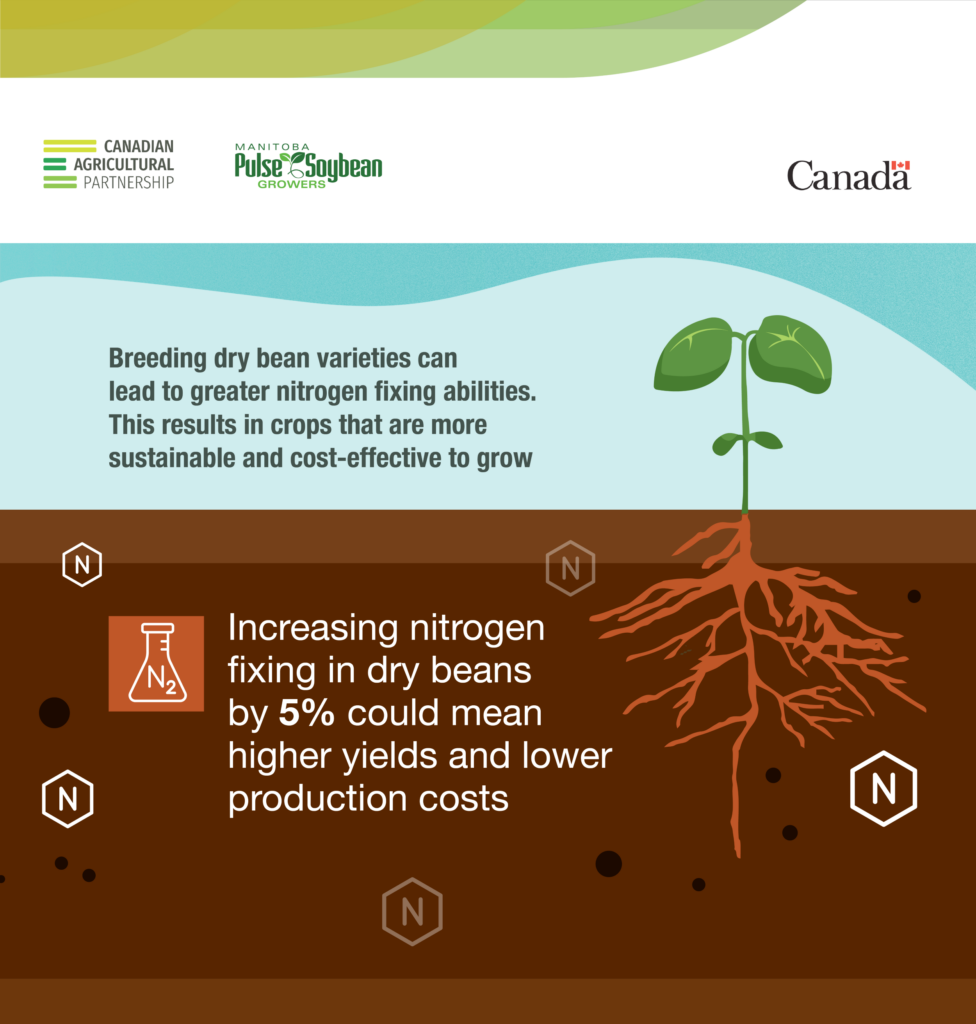
Developing Dry Beans for Disease
Resistance and Improved Yield
Performance in Western Canada
Editorial

Technical Report

Developing Disease Resistance for
Early Maturing Dry Bean in

Alberta

Editorial

Technical Report

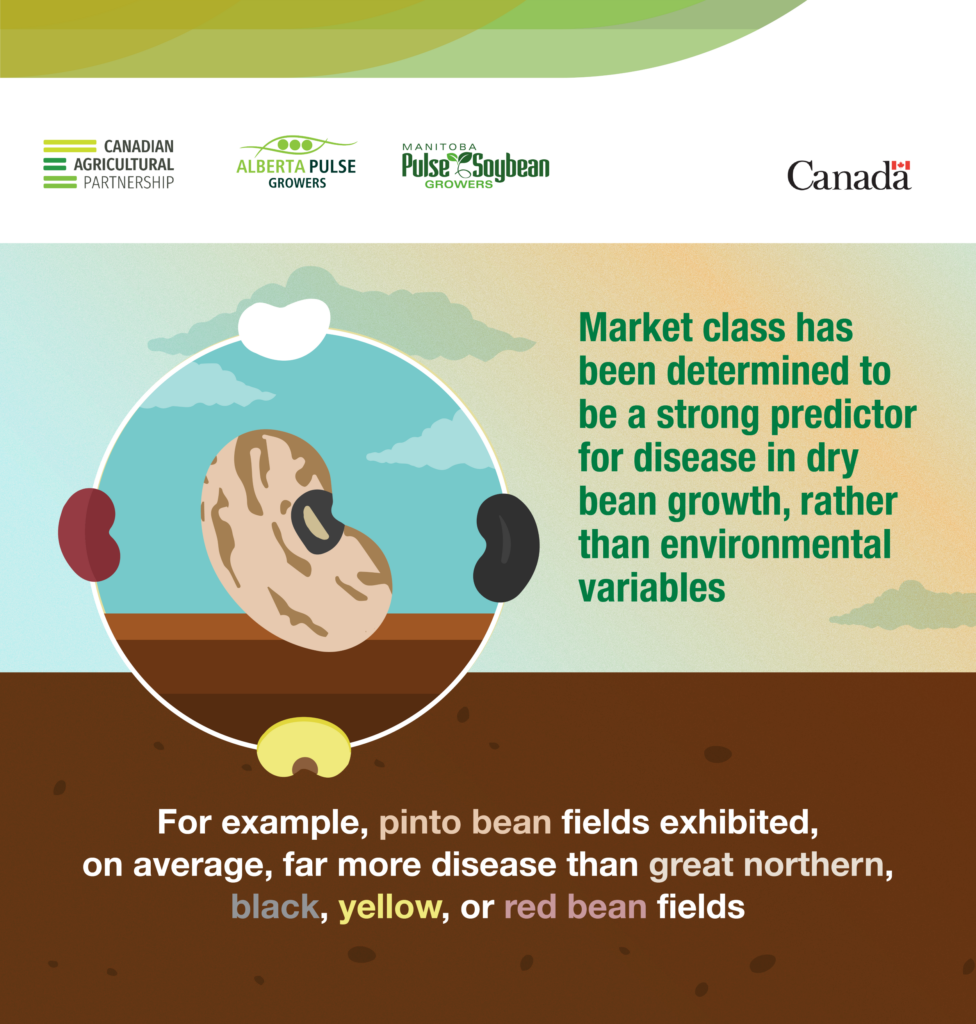
Disease Management Strategies for
White Mould and Bacterial Blights of
Dry Bean
Editorial

Technical Report

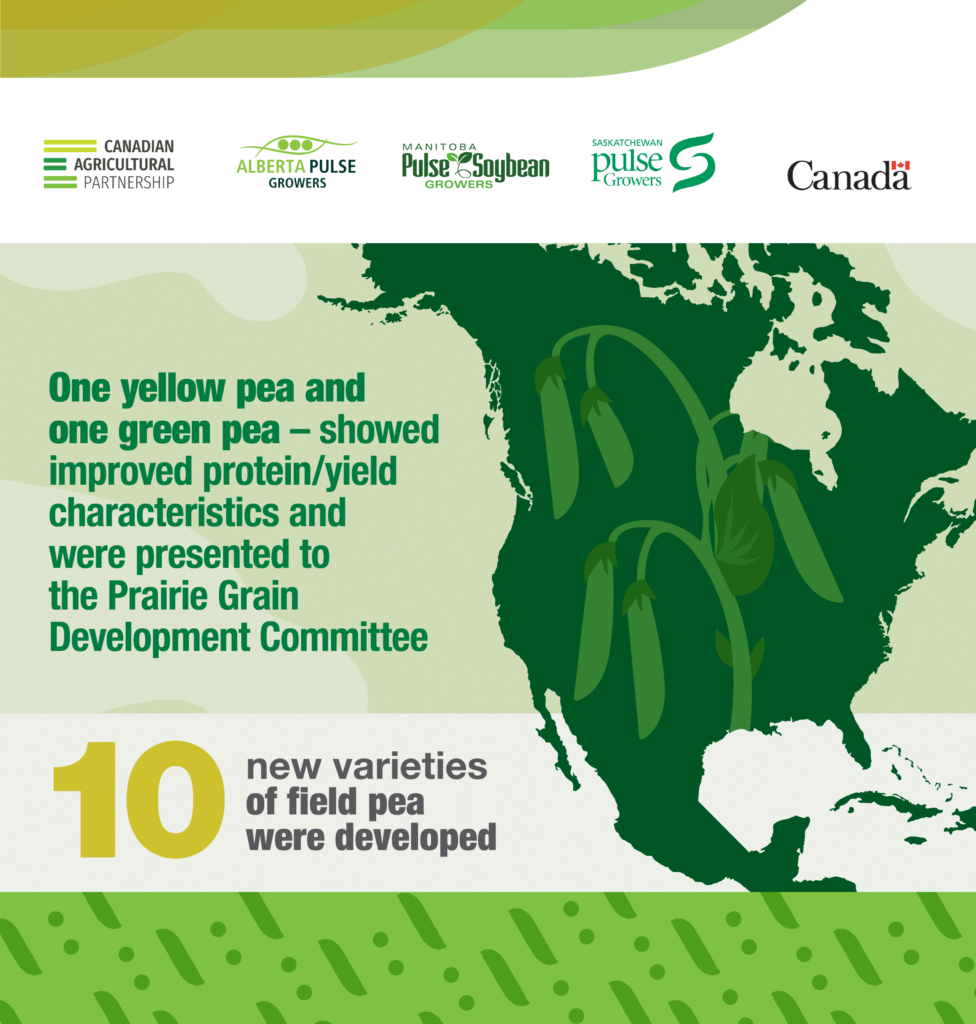
Development of Improved Field
Pea Varieties, Germplasm for
the Canadian Pulse Industry
Editorial

Technical Report

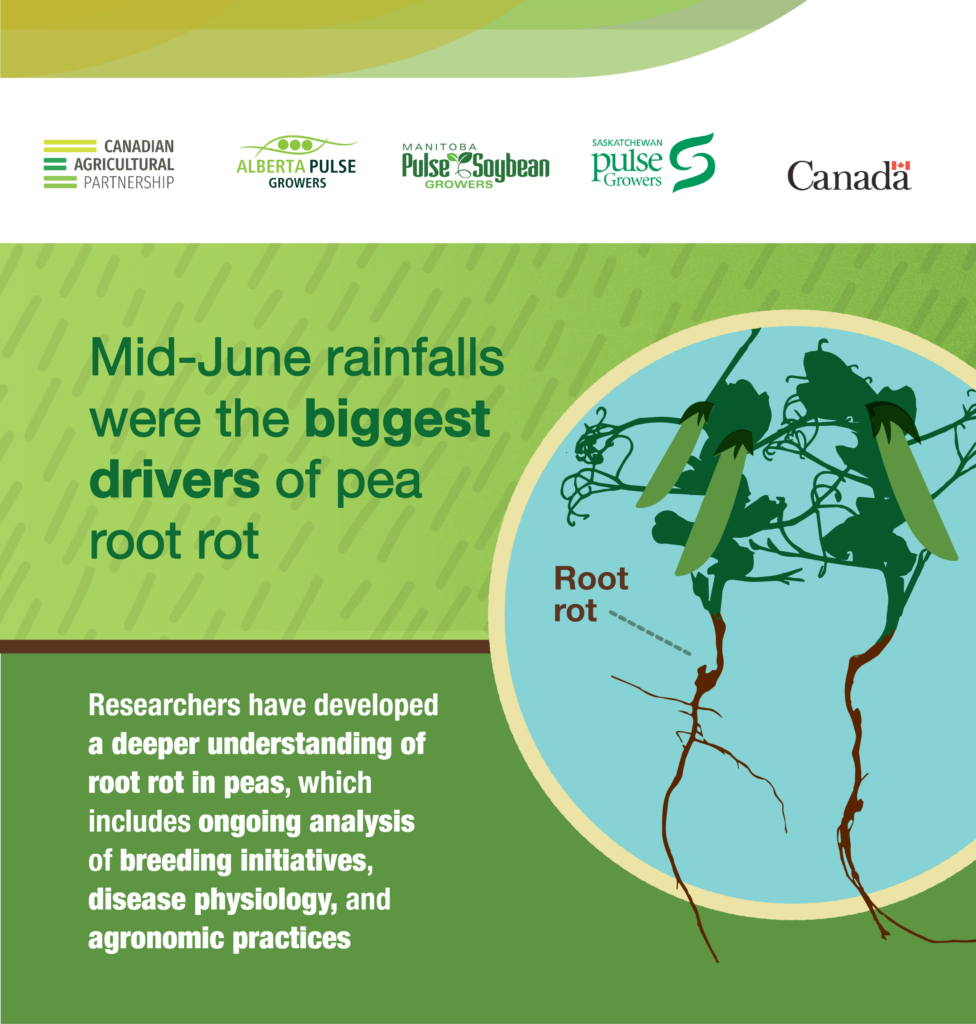
Understanding Field Pea Breeding
Initiatives, Physiology, and Agronomy
to Mitigate Yield Loss by Root Rot
Editorial

Technical Report

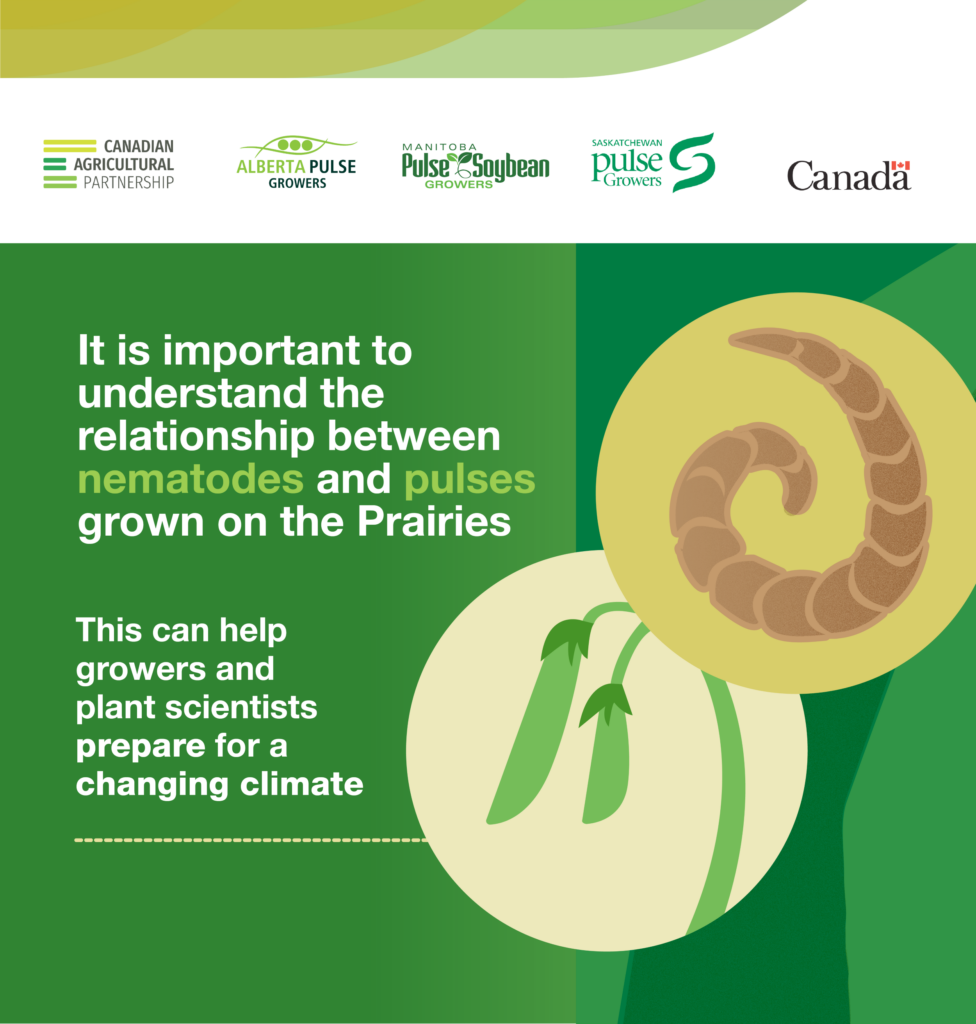
Vigilance Towards Nematodes in
Western Canada

Editorial

Technical Report

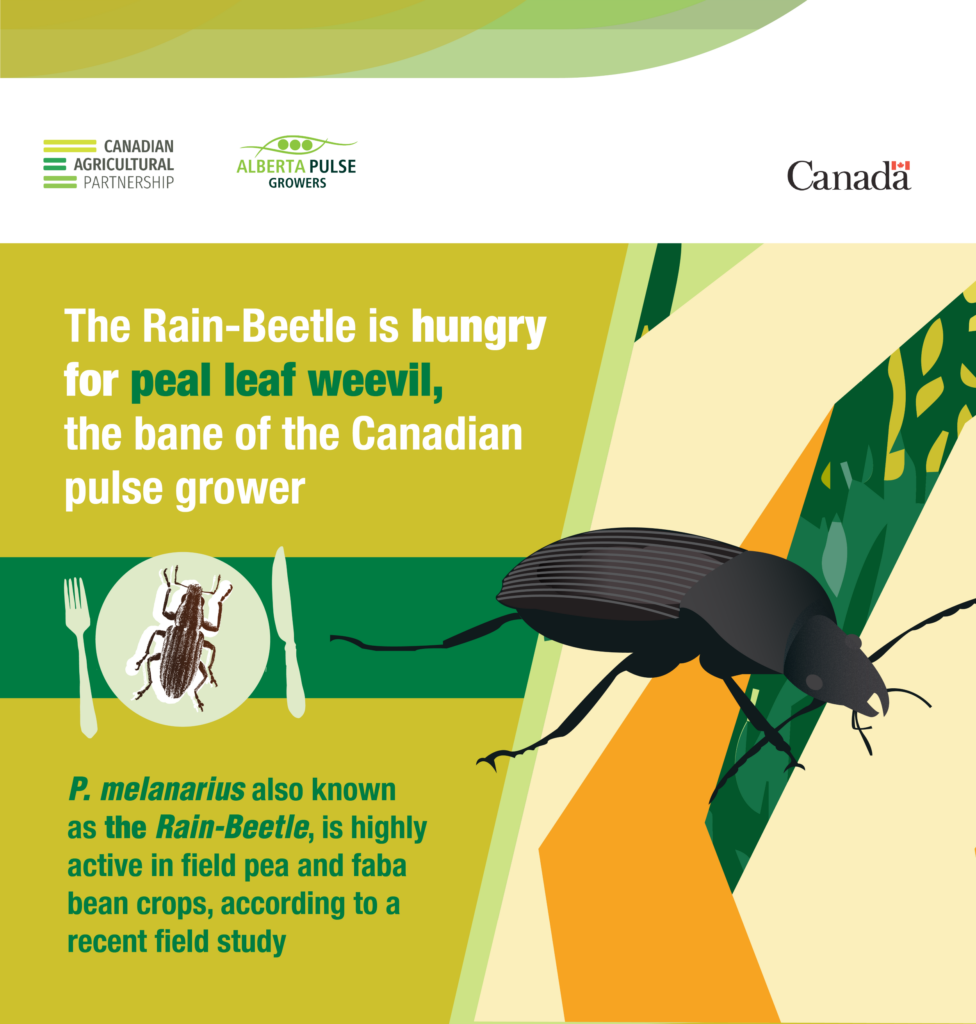
Integrated Management of Pea Leaf
Weevil Using Biological Control and
Low Insecticide-Input Alternatives

Editorial

Technical Report

Strategic Approaches for Faba Bean
Value Addition and Utilization

Editorial

Technical Report

New Processing Strategies for
Canadian Grown Pulse Crops

Editorial

Technical Report

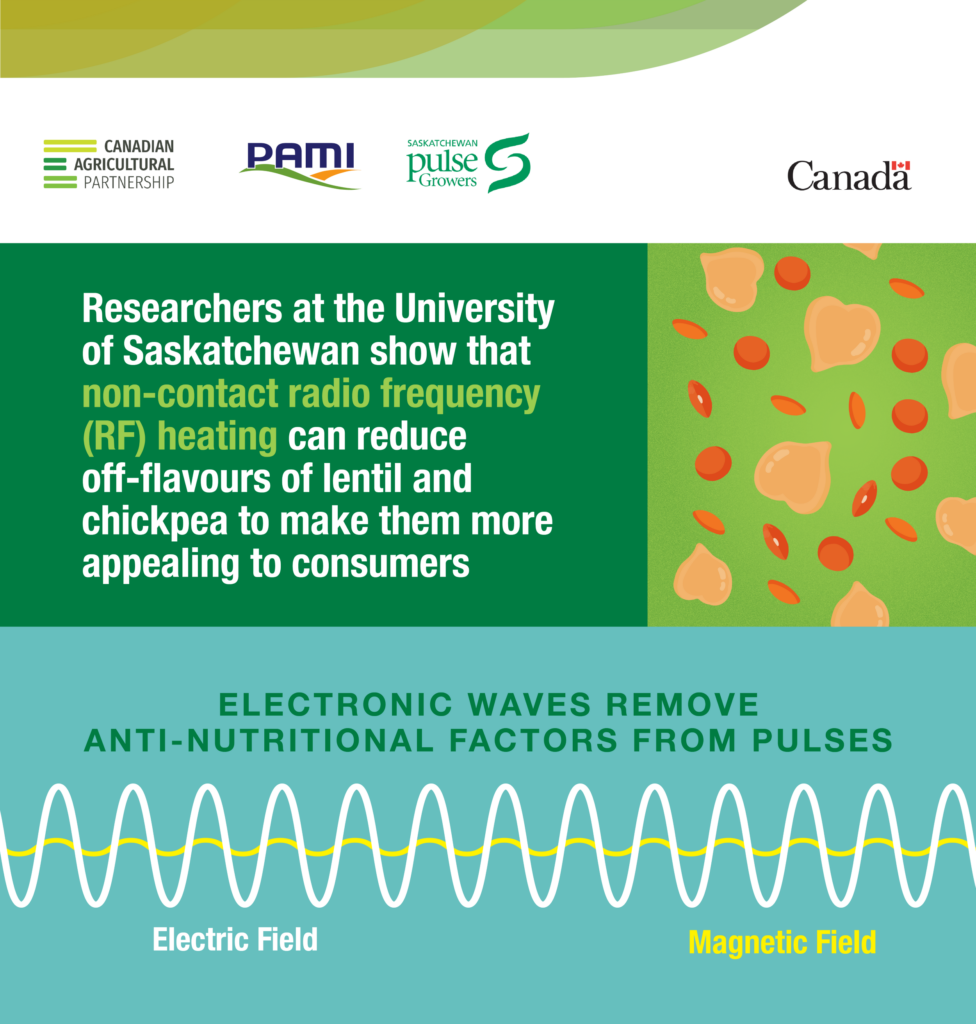
Removal of Undesirable Compounds
and Flavour in Pulse Crops Using
Electromagnetic Wave Technology
Editorial

Technical Report

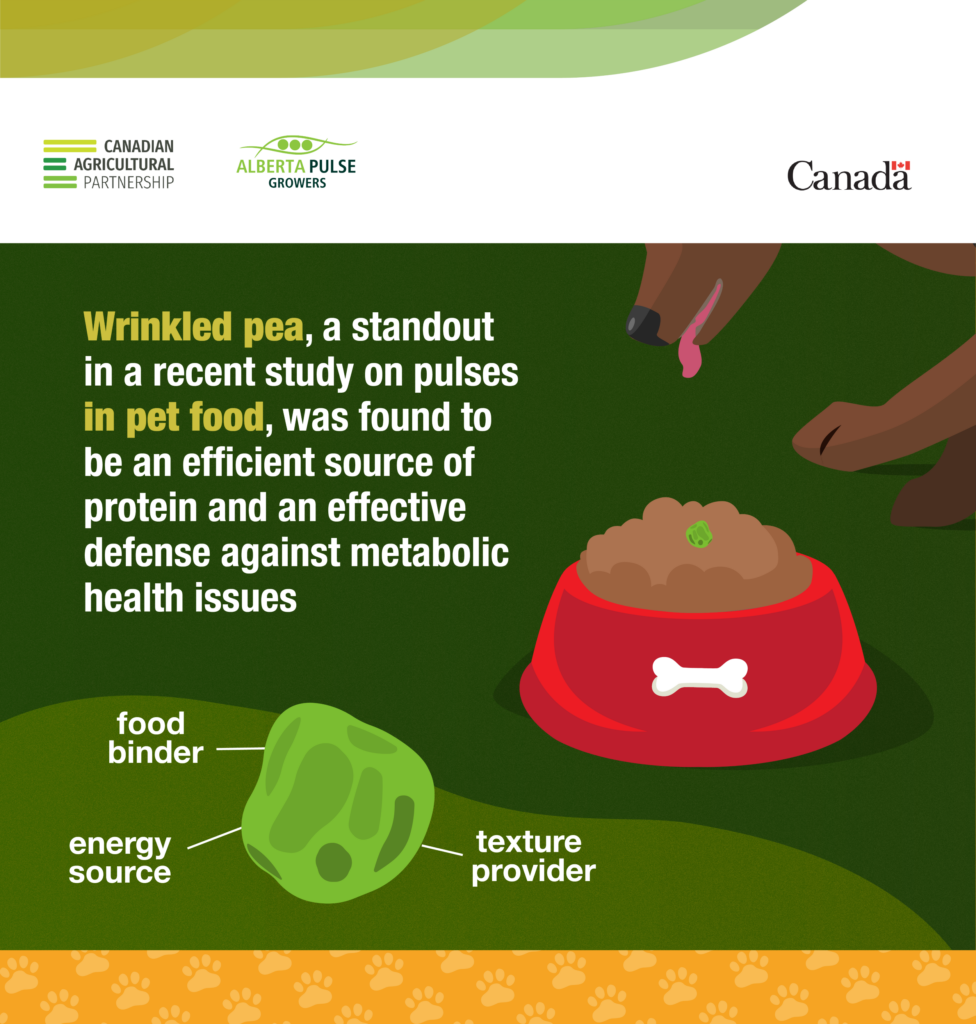
Utilization of Pulse-Based Ingredients
to Develop Low-Glycemic Pet Foods
to Improve the Health of Dogs
Editorial

Technical Report


Canadian Agricultural Partnership Program

YearProject TitleResearcher
2018-2020Comparative Effectiveness of Bean Promotion Strategies Using Multiphase Optimization: Pilot StudyPaula Brauer, University of Guelph
2018-2020Yield response of dry beans to variable rate seedingMeghan Moran, Canola and Edible Bean Specialist, OMAFRA
2018-2020Approaches to weed management in edible beans in OntarioPeter Sikkema, University of Guelph
2019-2021Bean breeding germplasm screening for resistance to emerging diseasesPeter Pauls, University of Guelph

Growing Forward 2 Projects

YearProject TitleResearcher
2013-2018Approaches to Weed Management in Edible Beans in OntarioPeter Sikkema, University of Guelph
2015-2018Assessment of hard seeds in Ontario navy beansDr. Parthiba Balasubramanian, Agriculture and Agri-Food Canada
2015-2018Breeding Otebo Beans for production in OntarioJim Kelly, Michigan State University
2015-2018Reproductive biology and overwintering success of the Western Bean CutwormJeremy McNeil, University of Western Ontario
2015-2017Reduction of blood glucose with beans: defining the minimum doseDan Ramdath, Agriculture and Agri-Food Canada
2016-2018Adzuki Bean Agronomic field trials for Ontario FarmersChris Gillard, University of Guelph
2016-2017Development of Improved Weed Management Strategies for Ontario Dry BeansPeter Sikkema, University of Guelph